Why the Most Expensive Exercise Goes First
 7 min read
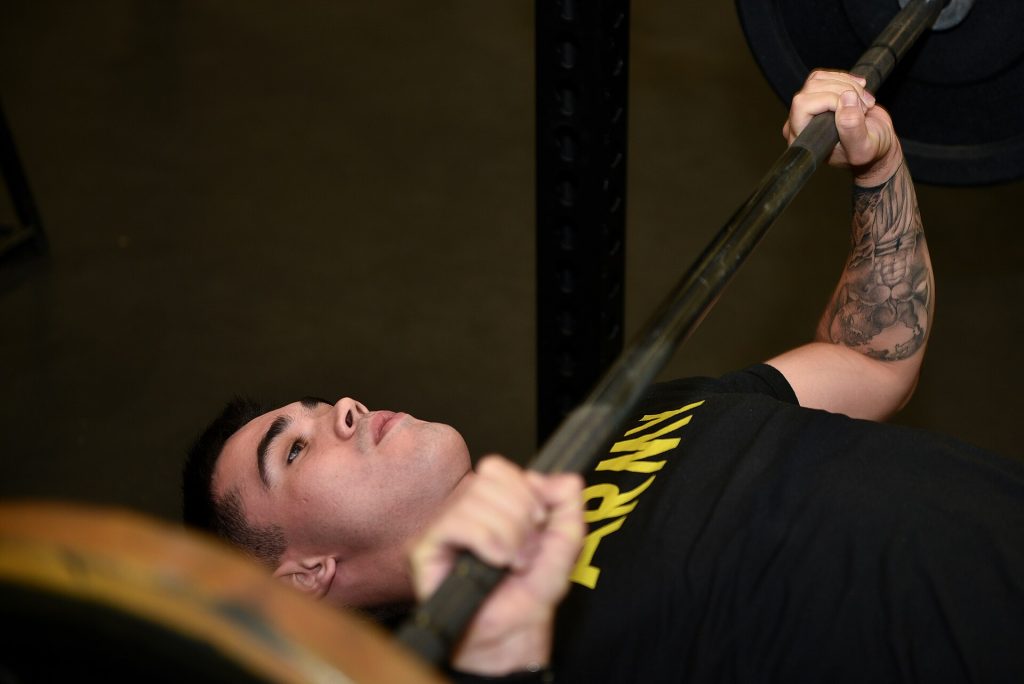
Exercise order is not a matter of preference, despite the way most people shuffle movements until the session feels right. Order decides how much load each pattern receives, and load is the variable that drives most of the adaptation. Putting a movement late is a quiet way of making it easier.
The effect is largest at home, where a single pair of dumbbells is shared across every pattern. Whatever comes first gets the full load and the fresh attention. Whatever comes last gets what is left of both.
Below, the ordering rules are treated as a set of choices with prices attached: which movement earns the front of the session, which one merely survives to the end, and when the conventional order should be reversed.
What Expensive Means Here
An expensive exercise is one that costs a lot of recovery and a lot of coordination for the stimulus it provides. A heavy hinge is expensive. A lateral raise is cheap. The cost is paid locally, in the tissue being loaded, and systemically, in the fatigue that follows the session.
Expensive movements are also the ones most sensitive to fatigue. A squat performed tired is not a slightly worse squat; it is a different exercise with less load, worse position, and a higher chance of the set ending early.
That sensitivity is the whole argument for ordering. Cheap movements barely notice fatigue, so placing them last costs almost nothing. Expensive ones notice immediately, and the loss is not visible in the moment because the set still gets completed.
The measurement is simple. Compare the load used on a movement when it is first in the session against the load used for the same movement late in the same session. A large gap means the order is costing you something.
Strength Movements First
The heaviest compound for the day goes first, after the warm-up ramp. It receives the freshest nervous system, the longest rest, and the least accumulated fatigue, which is what allows the load to keep climbing across weeks.
At home the heaviest compound is often a split squat or a single-leg hinge rather than a barbell lift. The principle does not change. Whatever pattern carries the most load and the most risk goes at the front.
The cost is that only one or two movements can be first. Everything else is, by definition, later, and the later a movement sits the less it contributes to strength. That is an acceptable trade for accessories, not for a second main lift.
Skill Work Before Fatigue
Anything technically demanding belongs early, even if it is not the heaviest thing in the session. A movement being learned requires attention, and attention is the first thing fatigue removes.
This is why overhead work often sits before pressing volume at home. The position is unforgiving, the load is limited by stability, and a tired shoulder girdle turns a good rep into a shrug.
The exception is a movement being trained for endurance rather than skill. If the goal is repetitions under fatigue, then fatigue is the point, and placing it early defeats the purpose.
The Weakest Pattern Goes Second
After the main lift, the pattern with the least progress goes next. The logic is simple: the thing that needs the most help gets the second-best slot in the session, before the accumulated fatigue is large enough to blunt it.
For most home lifters that pattern is a pull. Rows and pull-ups are easy to postpone, and postponing them for months produces a program that is strong on pressing and thin everywhere else.
Putting the weak pattern second also makes the imbalance visible. A movement performed while fresh either progresses or reveals that the problem was never fatigue in the first place.
Accessories at the End, With a Condition
Isolation work belongs last because it tolerates fatigue and because its purpose is volume rather than load. Curls, raises, and trunk work can be performed tired without much loss, and putting them first would steal quality from the movements that need it.
The condition is that they still get done. A program that lists four accessories at the end of a 60-minute session is a program that trains two of them on a good day, and the missing volume is rarely noticed until progress stalls.
If the accessories keep getting cut, the honest fix is fewer of them rather than a reordering. Three that happen beat six that do not.
When the Order Should Be Reversed
There are real cases for putting a small movement first. Pre-exhausting a muscle before a compound changes which tissue fails first, which is useful when a target muscle is consistently underworked by a stronger neighbour.
Activation work is another case. A few sets of a glute or rotator movement before the main lift can improve position, and the cost is small if the sets are genuinely easy rather than secretly hard.
Time-limited sessions are the third. When only 30 minutes exist, the movement that matters most goes first regardless of size, and the rest of the session is built around whatever remains.
The Order Inside a Superset
Pairing is a way of buying density, but the order within the pair still matters. The harder movement goes first and the easier one second, because the second movement will be performed tired no matter what.
Pairing two pressing movements is a mistake for the same reason: the second press inherits the fatigue of the first and neither gets a clean set. Pairing a press with a row spreads the fatigue across different tissue.
The exception is a mechanical pair, where two movements share a position and switching costs nothing. Those save time without changing the load, and they are worth using when the session is tight.
Rest inside a pair also has to be decided rather than inherited. A pair performed back to back with no rest is a circuit, and a circuit caps the load on both movements. Fifteen seconds of transition keeps the density without turning the work into conditioning.
The Cost of a Bad Order
A bad order does not produce a bad session. It produces a program that looks complete and is quietly missing load on the movements placed last, week after week, for months.
The symptom is a log where one lift climbs steadily and three others sit at the same weight. That pattern is usually attributed to genetics or equipment, when it is often just the order of the session.
Reordering is free and takes one session to test. Move the stalled movement to the front for three weeks and see whether the load moves. If it does, the problem was scheduling, and the fix costs nothing.
Three weeks is long enough to separate a real change from a good day. One session at the front proves nothing, because a fresh movement always feels better; a month of sessions at the front either produces a new top set or rules the order out.
The reverse is also worth knowing: a movement that still will not budge when it goes first is telling you something about volume, recovery, or the load ceiling, which are questions for the next block rather than the next session.
Those questions are settled by the record of what happened, which is why the order and the log are usually discussed together rather than separately.