Cold and Heat: How Far the Evidence Actually Reaches
 7 min read
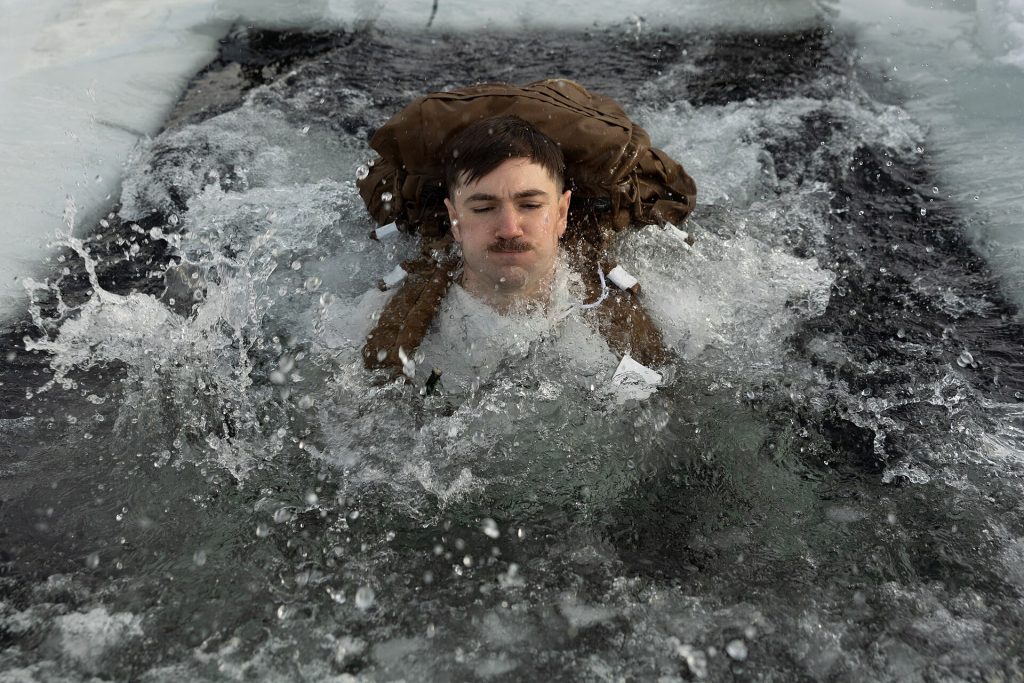
Cold water and heat are not opposite settings on the same dial, and treating them as interchangeable recovery options is where most of the confusion starts. The popular version says cold reduces inflammation and heat increases blood flow, which is roughly true and almost useless without knowing what either effect does to adaptation.
The more important point is that inflammation is part of the training signal. Suppressing it aggressively after a strength session can blunt the very adaptation the session was meant to produce, which turns a recovery tool into a small obstacle. That does not make cold useless; it makes timing decisive.
This comparison separates the mechanisms, examines what each modality actually changes, and marks the edge of what the evidence supports. It also covers the cases where the cheap version at home is indistinguishable from the expensive one, which is most of them.
Two Different Mechanisms
Cold reduces tissue temperature, which slows nerve conduction, narrows blood vessels, and lowers the local metabolic rate. Heat raises tissue temperature, which increases blood flow, reduces stiffness, and changes how much stretch a tissue tolerates. Both change sensation quickly and both change tissue slowly.
Because they work on different variables, they are not substitutes. Cold is better suited to calming an acute, hot, swollen area, and heat is better suited to a stiff, chronic area that needs to move. Using one where the other belongs produces the impression that neither works.
The confusion comes from the word inflammation, which covers both the swelling after an ankle sprain and the ordinary cellular signalling after hard sets of squats. Cold suits the first case and is questionable for the second, and the shared vocabulary conceals the gap between them.
What Cold Immersion Does
Cold immersion reliably reduces the perception of soreness in the days after hard work, and it does so through several routes at once: reduced nerve sensitivity, reduced swelling, and a strong placebo effect that should not be dismissed. The effect on actual muscle function recovery is smaller and less consistent.
It also produces a genuine analgesic window of 20 to 40 minutes, which is useful if the goal is to move through a session that would otherwise be limited by discomfort. That window is a reason to use cold before movement, not a reason to use it after every session.
Duration and temperature both matter, and the relationship is not linear. Water around 10 to 15 degrees for 10 minutes produces most of the perceptual effect, while colder water for longer mostly adds discomfort and skin risk. The extra cold buys a feeling of severity rather than a larger response.
The Strength-Training Interference
Regular cold immersion immediately after resistance training is associated with smaller gains in muscle size and strength over a block, particularly when the protocol is frequent and the water is genuinely cold. The mechanism is plausible: the inflammatory and cellular stress signals that drive adaptation are being damped at the moment they matter.
The size of the effect varies across studies and is not enormous, but the direction is consistent enough to inform practice. If strength or size is the priority, keep cold water away from the hours after lifting and save it for days when the goal is recovery or performance in a subsequent event.
Heat and Tissue Extensibility
Heat increases tissue temperature and reduces stiffness, which makes it useful before mobility work and before activity that demands range. A warm muscle tolerates stretch better and feels less restricted, and the effect lasts long enough to be useful within a session.
What heat does not do is repair tissue or accelerate recovery in any meaningful way. The relief it provides on a stiff lower back is real but temporary, and relying on it without addressing the load that produced the stiffness turns a comfort tool into a way of postponing the problem.
The mistake with heat is applying it and then doing nothing. Warmth makes range available, but the range has to be used while it is there or it reverts within the hour. Heat before movement is a tool; heat instead of movement is just a warm seat.
The Boundary of the Evidence
Most of the strong claims about cold and heat come from studies with small samples, narrow protocols, and outcomes that are perceptual rather than functional. Soreness ratings move; strength and range often do not move much. That is not nothing, but it is a narrower claim than the marketing makes.
The honest summary is that both modalities change how you feel, cold has a small negative effect on hypertrophy when mistimed, and neither one substitutes for sleep, food, and sensible load. Anyone selling a device on the basis of recovery science is selling the measurement, not the mechanism.
Soreness Is Not the Same as Injury
Cold is often reached for when something hurts, which conflates two different situations. Soreness from training is diffuse, bilateral, and eases with movement. An injury is usually sharp, local, and worse with specific positions. Cold helps the first and merely masks the second.
Masking matters because it allows continued loading of tissue that should be protected. If cold makes a painful area feel normal enough to train through, the cold has removed the signal without removing the cause, and the next few days usually provide the correction.
Timing Relative to Training
The decision tree is short. Strength or hypertrophy session: skip cold for several hours, use heat or nothing. Endurance session in heat: cold can help restore function for the next effort. Competition with rounds on the same day: cold between rounds is a legitimate tool even if it costs some adaptation.
For general soreness on a rest day, neither is required. A walk, food, and sleep do more, and the bath is optional comfort rather than treatment. Paying for that comfort is fine as long as it is priced as comfort.
The Cheap Version of Both
A cold bath with ice from a shop produces the same tissue temperature change as a purpose-built plunge, provided the water is cold enough and the person stays in long enough. The expensive version buys convenience, filtration, and a smaller footprint in the room, not a different physiological effect.
Heat is even cheaper. A warm shower, a hot water bottle, or a heated pad all raise local tissue temperature, and the pad is more targeted than a bath. The main risk with all of them is duration, since prolonged heat on one area produces more discomfort than benefit.
The only real advantage of equipment is temperature control and repeatability, which matters when a protocol is used around competition. For everything else the bath and the pad are the same intervention with less storage, and the money saved is better spent on food.
Knowing when to stop is the skill in both cases. Ten to 15 minutes is enough for either modality to change how an area feels, and longer exposures mostly add skin risk and time. The dose is not where the marginal gain lives.
That question of when a sensation is a signal rather than an inconvenience is the more important one, and it applies to soreness that lingers well beyond the session that caused it. At some point the useful response stops being a recovery tool and becomes an assessment.