Used Cast Iron Against New Rubber-Coated Plates: Rust, Tolerance, Freight
 7 min read
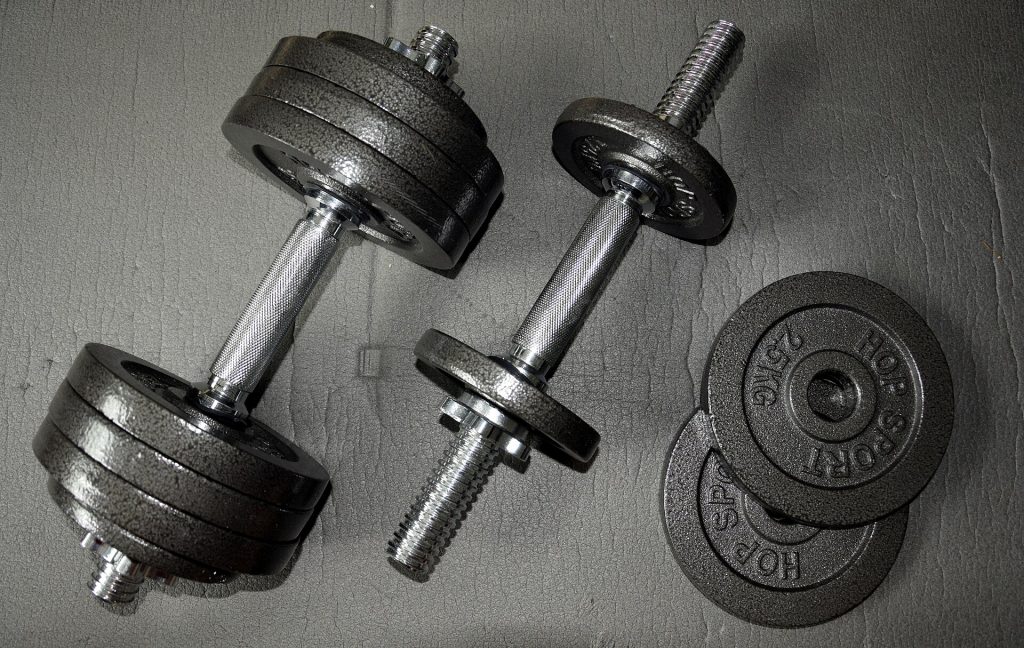
Second-hand iron looks like the obvious bargain, and new rubber looks like the safe choice. Neither label survives contact with the actual numbers. The used set can cost more once freight and cleanup are counted, and the new set can arrive lighter than advertised.
The comparison is really about four things: rust, tolerance, delivery cost, and how long each format lasts in the room you have. Everything else is cosmetic.
Rust and What It Implies
Surface rust on cast iron is cosmetic and comes off with a brush and oil. Rust that has pitted the surface is different, because pitting changes the weight slightly and creates edges that shed oxide onto everything nearby.
Rust also tells you where the plates were stored. Light, even oxidation suggests a dry garage; heavy flaking on one face suggests a leak or a floor that stayed wet, which usually means the plates sat in water for a season.
Inspect the bore as carefully as the face. A rusted center hole grips the sleeve and makes loading difficult, and cleaning it properly takes more effort than most buyers expect.
Weigh the rust by what it has removed rather than by how it looks. A plate that has lost a few grams to oxidation is still usable, while one with deep pits along the edge has lost material where it meets the floor. That changes how it sits under a loaded bar.
Tolerance and Real Weight
Old iron is often closer to nominal than new budget plates, because it was made on heavier machinery for a market that cared about accuracy. It is also often repainted, and paint adds a few grams that nobody accounts for.
New rubber-coated plates vary more, particularly at the light end where the coating is thick relative to the metal. A pair sold as 5 kg can be 4.8 kg each, which is a 0.4 kg error on a 2.5 kg progression.
Weigh every plate once, whatever the source. A cheap luggage scale and an hour of labeling turns a pile of guesses into a calibrated set.
Paint hides pitting until it flakes, so look at the edges of the face rather than the center. A plate that has been repainted recently is often a plate with something to hide, and a magnet will find thick filler.
Freight and the Delivered Price
Iron is dense, so a full set is heavy and shipping is priced by weight. A bargain at 1 dollar per kilogram can double once it crosses a country, and local pickup is the only way to keep the number honest.
Rubber is bulky, so shipping is priced by volume and the pallet can cost more than the plates. Free delivery is rarely free; it is built into a price that is higher than the per-kilogram figure suggests.
Ask how the set was moved. Plates dragged across concrete lose their edges, and chipped edges change the diameter enough to make a bar sit unevenly. That damage does not show in a photograph taken from above.
Inspecting Before You Buy
Bring a scale and a straight edge. Weigh two plates from the same pair, and check the face for cracks that start at the bore, where most failures begin.
Look at the outer edge for chips that have removed material, since those change the diameter and make the plate sit unevenly on the floor. A set of chipped 20 kg plates will rock under a loaded bar.
A straight edge across the face shows warping that a casual look misses. A warped 20 kg plate wobbles on the sleeve and loads the bar unevenly, which is a small problem that compounds with every rep.
Rubber Coating and Longevity
Rubber coating protects the floor, the bar, and the plate, and it wears at the edges where the plate contacts the sleeve. Once the coating splits, moisture gets behind it and the steel underneath corrodes faster than bare iron would.
The coating also ages. A set stored in a hot garage can go hard and slick, which makes the plates harder to grip when loading and more likely to slide on the sleeve.
Coating thickness varies between batches, so a set assembled from different purchases can have plates that sit at slightly different heights. That variation is invisible until the bar is loaded and the plates start to spin.
Matching an Existing Set
Adding to a set means matching diameter, thickness, and finish, and used iron rarely matches anything exactly. A 2 mm difference in diameter is enough to make a bar sit unevenly when plates are mixed.
Rubber is easier to match because coatings are standardized across a generation of products, though colors fade at different rates and an odd plate is always visible.
Matching matters most for the largest plates, since those set the height of the bar. Small plates can vary without consequence as long as the big ones agree, which makes a mixed set practical if it is built in the right order.
Resale and Sunk Cost
Iron holds value because it is a commodity with a known price per kilogram. Rubber holds value only if the coating is intact, since a peeling plate is difficult to sell at any price.
That resale difference narrows the effective cost gap. A used iron set bought well can be sold for close to what was paid, while new rubber depreciates from the first drop.
Selling heavy iron carries its own freight problem, which eats into the value recovered. A set sold to a buyer across the country returns less than one sold to a neighbour, and that difference belongs in the original calculation.
When New Is Actually Cheaper
New wins when delivery is included, the set is small, and the plates need to match a rack or a bar exactly. It also wins when the used market in your area is thin, which pushes prices up to the point where new is competitive.
Used wins when you can collect in person, when the plates are standard iron with light surface rust, and when you are willing to clean and weigh them. That combination is still common and still the best value in the category.
Compare the two on a 5-year view rather than on the invoice. A used set that needs one cleaning and then lasts unchanged often beats a new set whose coating is already thinning at the edges when it arrives.
Setting a Fair Price
Price used iron against the current rate for new plates of the same size, not against what the seller paid. A set bought during a shortage can carry expectations the market no longer supports, and that gap is where negotiations stall for weeks.
Then subtract the cost of cleaning, weighing, and any missing sizes, since a set with a gap at 10 kg is worth less than the total suggests. A complete ladder in poor condition often beats a partial one in good condition.
Once the plates are weighed and labeled, the next constraint is how finely they let you load, which is a question about the smallest plate rather than the largest.
That question is worth settling before the set grows, because a ladder with a gap at the bottom is harder to fix than one with a gap at the top.