Belt, Straps, and Chalk: What Actually Raises Training Volume
 7 min read
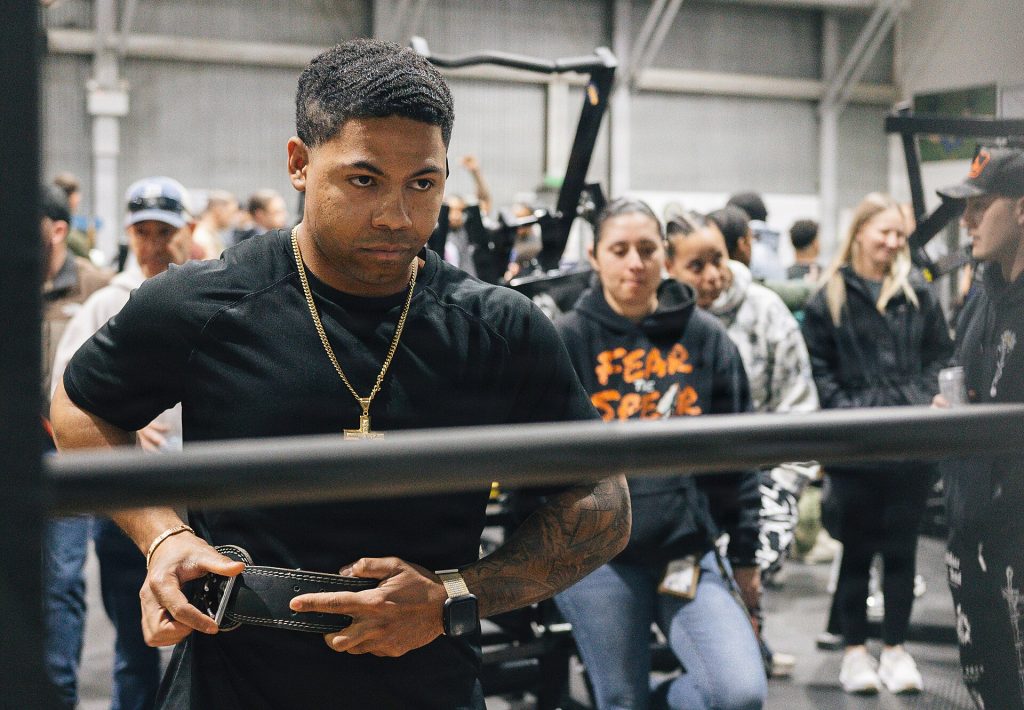
Support gear gets sorted into two camps, one calling it cheating and the other calling it essential. Both are lazy. A belt, a pair of straps, and a bag of chalk do different things, and only some of those things show up as more weight on the bar.
The useful question is what each item changes about the session: the load you can handle, the reps you can complete, or the fatigue you carry into the next day. Those are separate effects with separate costs.
The three items differ in what they cost when they fail. A snapped strap ends a set, while a belt that is too tight ruins a session before the first working rep. None of them is dangerous, and all of them are easy to misuse.
What a Belt Changes in a Squat
A belt gives the abdominal wall something to brace against, which raises intra-abdominal pressure and stiffens the trunk. Most lifters get a few percent more load on a heavy squat, and the effect grows with the weight on the bar.
It does not make the trunk stronger in the way a beltless squat does. The belt is a tool for expressing strength under load, and the muscles still do the work of bracing against it.
The honest accounting is that a belt lets you train heavier in the lift you are belting. Whether that matters depends on whether heavy squats are the goal or the method.
The effect is smaller than the marketing implies. Most lifters gain between 2 and 5 percent on a belted squat, which is meaningful at 150 kg and nearly invisible at 60 kg. Scale the decision to the loads you actually handle, not the ones you read about.
Belt Tightness and Breathing
A belt worn too tight restricts the breath that creates the pressure it is supposed to support. The correct tension lets you push the abdomen out against the belt at the bottom of a breath, not squeeze the waist into a cylinder.
Position matters as much as tension. A belt sitting too high rides the ribs and limits the ribcage expansion that a squat needs, while one sitting too low interferes with the hip crease.
Belt width is the other variable. A 10 cm belt suits most lifters, while a 13 cm belt covers more of the abdomen and can dig into the ribs at the bottom of a squat. Try one before buying if your torso is short or unusually long.
Straps and Grip Failure
Straps move the limit from the forearms to the back and legs, which is exactly what a deadlift session is trying to train. Without them, grip failure ends sets before the target muscles are fatigued.
The cost is that grip never gets trained to the same level. A lifter who straps every pull develops a back that can hold more than the hands can, and that gap shows up the first time the straps are left at home.
Figure-eight straps lock the hand to the bar and remove grip from the equation entirely. That is useful for heavy pulls and awkward for anything that requires releasing the bar quickly. Most lifters are better served by a simple lasso.
Chalk and Moisture
Chalk absorbs sweat and raises friction, and it is the cheapest intervention in the entire category. A bag lasts months and improves grip on every bar, bell, and handle in the room.
The downside is mess and gym rules. Some facilities ban chalk outright, and in a shared room the dust settles on everything. Liquid chalk is a compromise that leaves less residue and works nearly as well.
Chalk also dries the skin, and dry skin tears more easily under a sharp knurl. That interaction explains why some lifters chalk the hands and others chalk the bar, and why each group thinks the other is doing it wrong.
Where the Placebo Ends
Some gear produces a measurable change and some produces a confident feeling. A belt changes trunk stiffness in a way that can be measured; a pair of knee sleeves mostly changes warmth and how secure the joint feels.
That does not make the feeling worthless. Confidence changes how close to failure a lifter is willing to go, and that changes adaptation. It does mean the effect is indirect and harder to attribute.
Warmth is the honest part of most sleeve and wrap products. A joint that feels warm moves more freely, and that change is real even when the mechanism is not the one advertised. Feeling secure is not nothing.
Support That Raises Volume Indirectly
Straps and chalk raise the number of quality reps in a session, which is a volume effect rather than a strength effect. Over months, that extra volume is what drives growth in the back and legs.
A belt works the other way, raising the load on fewer reps. Both can increase total work, and they do it through different levers, which is why they are not interchangeable.
Volume is the currency, and any item that adds reps without adding recovery cost is worth considering. A belt adds load and costs recovery, while straps add reps and cost almost nothing except grip-specific strength. The two are not the same kind of help.
When Support Becomes a Crutch
The signal is simple: if a lift collapses when the gear comes off, the gear is carrying more of the adaptation than the lifter is. That is fine for a specialist and a problem for a general trainee.
A workable rule is to keep some sessions beltless and some pulls strapless. That preserves the training effect of the unaided lift while still allowing heavy work with support.
Novices should learn the beltless, strapless version first, because the skill of bracing without a belt transfers to every lift that follows. Adding gear before the pattern is stable hides errors rather than fixing them. The order of learning matters.
Cost, Portability, and Gym Rules
Chalk costs almost nothing and travels in a pocket. Straps cost little and add a small item to a bag. A good belt costs more than either and lasts a decade, which makes it the cheapest of the three per year of use.
Rules vary by room, and a belt that cannot be worn where you train is a belt you should not buy. Check before spending, especially in commercial gyms with equipment policies.
A belt also needs to fit the same way every session, which means marking the strap or the lever position. A belt tightened by feel drifts across a workout, and inconsistent bracing produces inconsistent lifts. Mark it once and stop adjusting.
All of this assumes the bar is loaded with plates you trust, since a support item cannot fix a 1 kg error in the weight itself.
The Order Worth Buying Them In
Chalk comes first, because it is cheap, permitted in most rooms, and improves every lift that involves a handle. Straps come second if pulling volume is limited by grip rather than by the back. A belt comes last unless heavy squats are already the centre of the program.
That order also matches how each item fails. Chalk never breaks, straps wear out slowly at the stitch line, and a belt bought too early tends to be worn for reasons that have nothing to do with bracing.
Gear and loading accuracy solve different problems, and the second one is cheaper to fix first.