Massage Ball or Foam Roller: Point Pressure and Surface Pressure
 7 min read
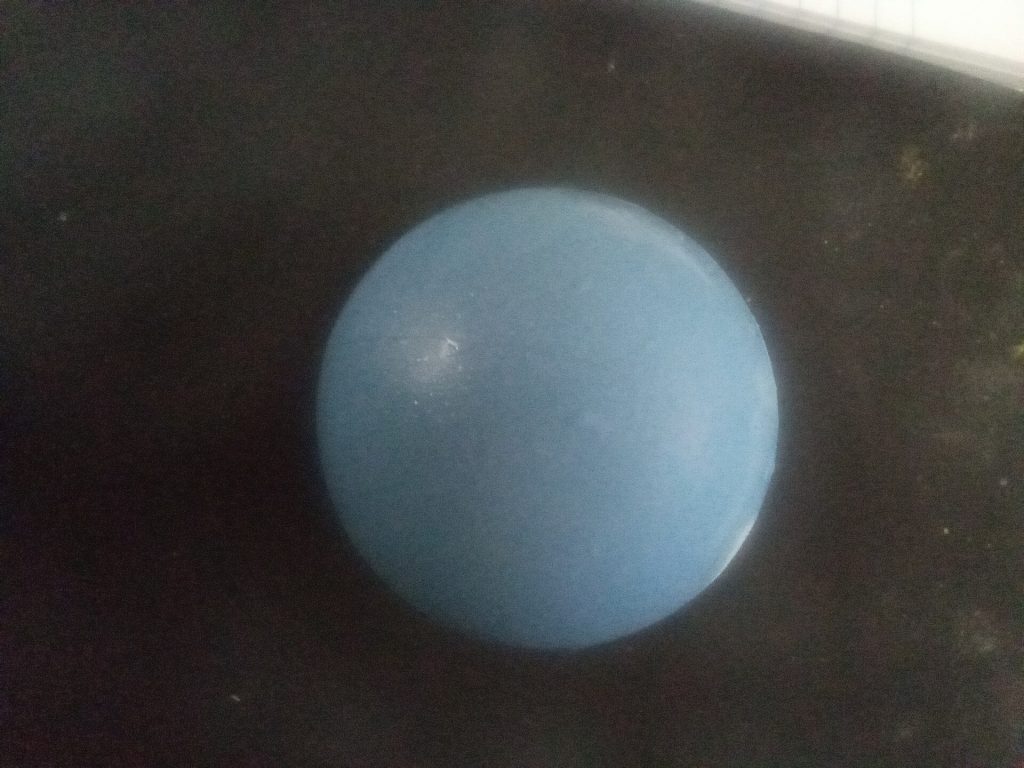
A massage ball is not a foam roller for people who are serious, and a roller is not a beginner version of a ball. The two tools differ in contact area, and contact area decides which tissue you can reach, how much force lands per square centimetre, and how long you can tolerate the work before the muscle defends itself.
Most comparisons rank them by intensity, which is the least interesting difference. A ball feels sharper because it concentrates load, not because it is more effective. A roller feels broader because it spreads the same body weight across a much wider patch, which changes the tissue it can influence at all.
This comparison works through contact area, reachable anatomy, tolerance on bony landmarks, the feet and hands, the glutes, and the situations where each tool stops being useful. The last category is the one that saves money, because most people own one tool and keep using it where the other would be better.
Contact Area Is the Real Difference
A cylinder contacts a line of tissue, and a sphere contacts a point. At the same body weight, the point carries far more force per square centimetre, which is why a ball pressed into the glute can feel like a completely different category of input. The roller cannot replicate that concentration unless you load it with extra weight.
Force concentration cuts both ways. It lets a small tool affect a small structure, such as a hip rotator or a spot between the shoulder blades. It also makes the same tool unbearable on the lower back, where the tissue is thin and the structures underneath are not designed to be pressed.
What a Ball Reaches That a Cylinder Cannot
The glutes are the clearest case. A roller covers the broad surface of the muscle but misses the deep external rotators near the back of the hip joint, which a ball can approach from a seated or side-lying position. Anyone who has found a distinctly different sensation there knows the difference immediately.
The same applies to the muscles between the shoulder blades, the arch of the foot, and the tissue along the front of the hip. A roller physically cannot fit into those spaces, so no amount of technique compensates. Meanwhile the quadriceps, the hamstrings, and the upper back remain roller territory, because a ball would take an hour to cover the same area.
Tolerance on Bony Landmarks
Bone does not deform, so pressure applied over a bony landmark has nowhere to go. A ball rolled along the shin or pressed into the side of the hip will produce sharp discomfort that has nothing to do with muscle tension, and the muscle above it will contract in response. That contraction defeats the purpose of the work.
A roller is more forgiving here simply because it distributes the load, but it is not safe by default. The lower back is the persistent offender: the tissue is thin, the vertebrae are close to the surface, and pressure there tends to produce guarding rather than relaxation. Neither tool belongs directly on the spine.
The Feet and Hands
The foot is where a ball earns its place in almost every kit. Standing on a firm ball and rolling the arch produces a stimulus that no roller can approximate, and it is easy to dose because you control the load with your own body weight. Two minutes per foot covers the plantar surface and the tissue along the toes.
The hand and forearm work the same way. A ball pressed into the palm and rolled against a table edge reaches the small muscles that grip, which is useful for anyone carrying load or working at a keyboard. A roller handles the forearm as a whole but cannot get into the palm at all.
Where the Ball Fails
A ball fails wherever you need coverage. Rolling a full quadriceps with a lacrosse-sized sphere means hundreds of small passes, and the load on any single spot spikes high enough to cause guarding. The result is a sore leg and an incomplete job, which people often interpret as the ball being too advanced.
It also fails where the tissue is broad and the target is unclear. The upper back, the outer thigh, and the calf all respond better to the sweeping contact of a cylinder. Using a ball there produces a lot of sharp sensation with very little change in how the area moves afterwards.
Where the Roller Fails
The roller fails in every recess the body has. It cannot reach the deep glute, the tissue under the shoulder blade, or the arch of the foot, and it cannot apply sustained pressure to a single point without the whole cylinder rolling away. Those are not minor gaps, they are the areas most people are actually chasing.
It also fails as a precision tool for anyone with a specific restriction. If one hip rotates differently from the other, blanket rolling of the whole leg diffuses attention across too much tissue. A ball is slower but it lets you stay on one structure long enough to feel whether anything changes.
Dosing the Two Together
Used together, the order matters less than the dose. Three to five minutes of roller work on the large areas, then two minutes with a ball on one or two specific spots, covers more ground than 20 minutes with either alone. The roller prepares the region; the ball addresses the part that stayed tight.
Keep the ball work short and tolerable. If a spot needs 30 seconds of hard pressure before it softens, that is usually a sign the load is too high, not that the tissue is stubborn. Lower the pressure by shifting body weight away and give it 60 seconds at a level you could hold while breathing slowly.
Where one area is the real complaint, reverse the order and start with the ball. Spend the first few minutes on the specific spot, then use the roller to cover the muscle around it. Working outward from the target keeps attention on the structure that provoked the search, instead of letting a broad sweep blur it into the background.
Building a Kit That Covers Both
One medium roller and two balls of different hardness will handle almost everything a home user encounters. A firmer ball suits the foot and the glute, a softer one suits the upper back and the hip front. That combination costs less than a single powered device and covers more anatomy.
A ball that is too hard is the more common mistake, because firmness again gets read as quality. A tennis ball is often enough for the upper back, and a slightly larger rubber ball is enough for the glute. Start soft and only escalate if a spot genuinely stops responding.
Which raises the question of what the pressure is supposed to achieve in the first place. If the goal is range of motion rather than local comfort, the tool matters less than the movement that follows it, and a few controlled reps will often do more than another five minutes on the floor.
That shift, from pressing tissue to moving joints through range, is where most recovery routines either become useful or become a ritual. The next comparison is about the bands that make those movements loadable, because resistance changes what a stretch can teach the nervous system.