Why a Harder Foam Roller Is Not a Better One
 7 min read
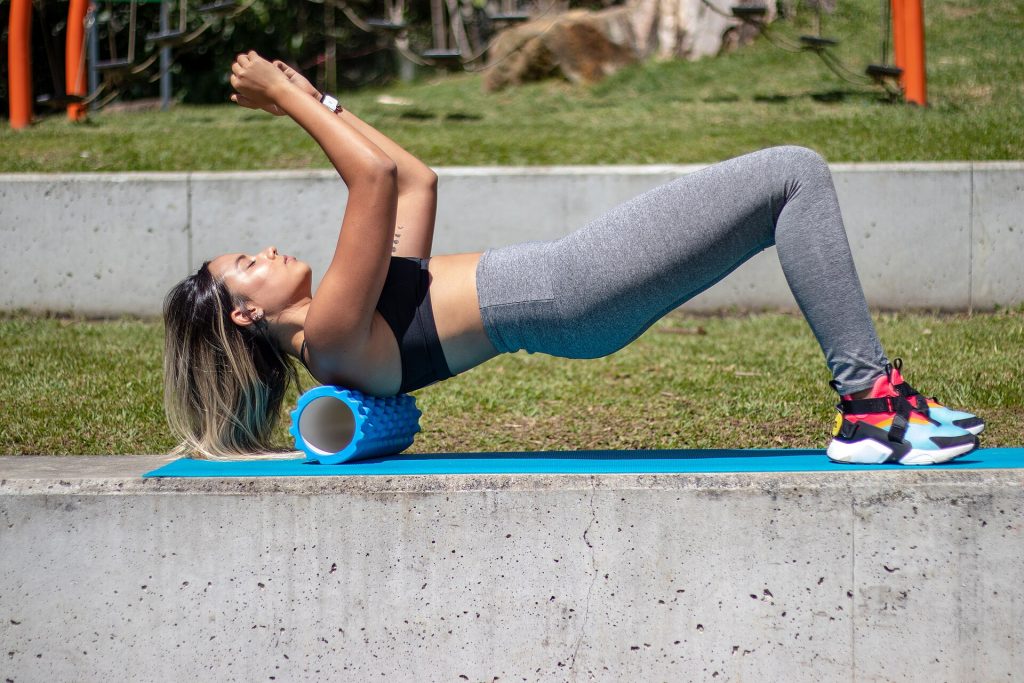
Firmer is not better when it comes to foam rollers, despite the way density gets sold as a stand-in for quality. The logic sounds tidy: if soft foam feels like nothing, harder foam must be doing more work. What that reasoning skips is that a roller does not apply a treatment, it applies load to tissue that has its own tolerance and its own response to that load.
Density changes how much force reaches a given layer of tissue at a given body weight, and that relationship is the entire decision. A 60 kg runner on a firm roller and a 95 kg lifter on the same roller are not having the same experience, even though the label reads identically.
What follows compares the variables that actually separate one roller from another: foam density, body weight matching, surface texture, diameter, and how long pressure is held rather than rolled. It also covers the case where a hard roller is correct, because that case exists and it is narrower than the shelf implies.
Density Is a Force Multiplier, Not a Grade
Density is usually listed as a specification, but it behaves as a multiplier. A denser foam compresses less under the same body weight, so the same movement produces higher local pressure through a smaller contact patch. Nothing about that is inherently therapeutic or inherently risky; it is simply more force per square centimetre.
The mistake is treating the multiplier as a score. A roller described as extra firm is not a more advanced version of a soft one, any more than a heavier dumbbell is a better dumbbell. Both are larger doses of the same variable, and dose only helps when the tissue underneath can absorb it.
Matching Density to Body Weight
Body weight is the input most buyers ignore, and it matters more than the foam rating on the box. Someone at 55 kg may need a medium-density roller to generate pressure that a 90 kg athlete gets from a soft one, because the load doing the compressing is entirely different. Buying by label alone leaves the lighter person with a tool that never reaches useful pressure.
A workable starting rule is to pick the density that produces clear but tolerable pressure in the first 10 seconds of contact, not the one that feels impressive in a shop. If you have to brace your whole body to tolerate it, the roller is above your working range for that muscle group, whatever the packaging claims about deep tissue.
Why Soft Rollers Get Dismissed Too Early
Soft rollers are often written off as beginner tools, which misreads what they do well. Lower density spreads force across a wider area, which makes them useful on the rib cage, the inner thigh, the calf, and any region where tissue lies thin over bone. Those are also the places where hard foam tends to produce bruising rather than adaptation.
A soft roller used with slow passes and deliberate breathing can create enough pressure to change sensation without leaving the area sore for two days, and that is a better trade than it sounds. For anyone returning to training after time off, it is usually the right trade for the first few weeks, when tissue tolerance is still rebuilding.
Texture Is a Different Variable
Gridded and ridged rollers are frequently marketed as deeper, but texture changes the distribution of pressure rather than the total amount. Peaks concentrate force and valleys unload it, so the net effect is a sharper, more interrupted sensation at the same body weight. It is a different feeling, not automatically a stronger stimulus.
That can be useful on large, tolerant areas like the quadriceps or the glutes, where a broad smooth surface feels vague and uninformative. On the lower back or the front of the shin, the same peaks tend to feel like an accusation, and the user instinctively reduces pressure until the texture stops mattering at all.
Diameter Changes Leverage
A larger diameter roller lifts the body further off the floor, which reduces the angle of the limb and changes how much of your weight actually lands on the roller. It also rolls more slowly for a given push, so each pass covers less tissue and the sensation builds more gradually.
Smaller rollers concentrate weight into a narrower band and travel faster, which suits precise work on the calf or the plantar surface of the foot. The practical consequence is that diameter can shift perceived intensity as much as density does, so comparing two rollers of different sizes tells you almost nothing about which is firmer.
The Case for a Genuinely Hard Roller
There is a real use case for firm foam, and it usually involves large muscle mass and high body weight. A heavy lifter working the quadriceps or the upper back can compress medium foam so completely that the surface conforms to the leg and pressure effectively disappears. In that situation a harder roller restores the dose rather than pushing it beyond reason.
The same logic applies to athletes who have adapted to firm pressure over months and now find medium foam under-stimulating. That adaptation is slower and less dramatic than gear pages suggest, but it is real, and it usually shows up as a need for longer pauses rather than simply harder foam.
Time Under Pressure Beats Pressure Alone
Most people roll fast, which converts a pressure tool into a rubbing tool. Slower passes with a pause on the sensitive spot produce a different stimulus: sustained load rather than repeated impact. The sensation usually drops within 30 to 45 seconds if the pressure is appropriate for the area.
That drop is the useful signal. If the sensation keeps climbing and the muscle guards harder, the roller is too dense for that area today, no matter how much experience you have. Reducing speed and staying at a tolerable density will do more than escalating density and rolling faster to get it over with.
Frequency Matters More Than Any Single Session
A long, aggressive session twice a week is a poor substitute for shorter, frequent contact with the roller. Tissue responds to repeated moderate input more predictably than to occasional heavy input, and the recovery cost of the heavy version can outweigh the benefit for two days afterwards.
Ten minutes on most days, at a density you could tolerate while breathing normally, covers more ground than a 40-minute project on Sunday. That schedule also makes it obvious within a couple of weeks whether the roller is helping at all, which a single weekly session cannot tell you.
What to Choose If You Only Buy One
For a single purchase, a medium-density roller of roughly 15 cm diameter covers the most ground. It is firm enough for the legs and the back across most body weight ranges, soft enough that the calf and the rib cage stay usable, and smooth enough that technique remains the limiting factor rather than the surface.
Add a firmer one later only if you can describe what the medium roller fails to do. If the answer is that it feels too gentle on the quads at 90 kg, that is a specific and testable reason. If the answer is that firm sounds more serious, the upgrade is buying a feeling rather than a tool.
That points toward smaller tools, where a single ball can reach tissue a cylinder never will. The trade between surface area and precision is the next decision worth making, and it changes the answer to which roller deserves the space in the corner of the room.