Indoor Bikes: Flywheel Weight, Upright vs Recumbent, Magnetic vs Friction
 7 min read
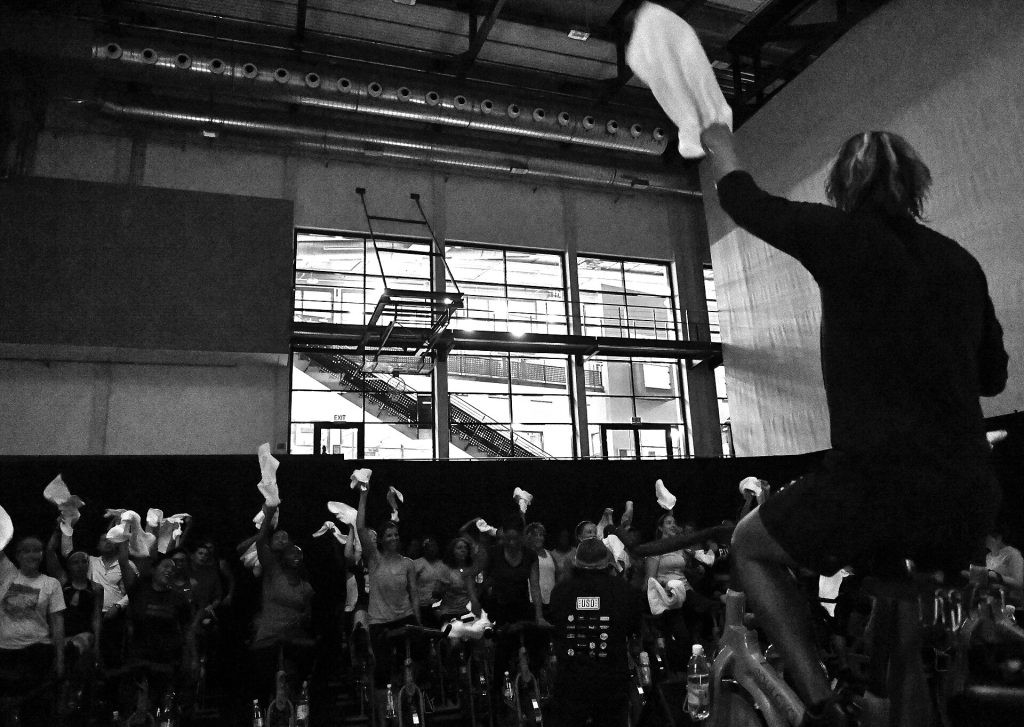
Heavier flywheels are not automatically better, although the spec sheet invites that conclusion by printing the number in bold. Flywheel mass changes the feel of the pedal stroke, and feel is only one of four variables that decide whether a bike suits interval work.
The other three are geometry, resistance mechanism, and adjustability. A 20 kg flywheel on a frame that does not fit you is worse than an 8 kg flywheel on one that does, and the difference will show up in your knees long before it shows up in your power output.
This comparison treats each variable separately, then looks at what each choice costs in maintenance, noise, and repeatability.
What Flywheel Weight Actually Buys
Flywheel mass stores kinetic energy, and stored energy smooths the dead spots at the top and bottom of the pedal stroke. A heavier wheel keeps the crank turning through those points, so the effort feels continuous rather than pulsing twice per revolution.
The effect is most obvious at low cadence and high resistance, which is exactly where steep climbs live. At 100 rpm on light resistance, most riders cannot tell a 12 kg wheel from a 20 kg one in a blind comparison.
Weight also affects how the bike behaves when you stop pushing. A heavy wheel keeps driving the pedals for a moment, which forces the legs to keep moving and rewards smooth technique rather than abrupt stomping.
Inertia and the Feel of the Stroke
Inertia is the practical consequence of mass, and it sets how forgiving the machine is. With high inertia the flywheel carries you through the weak part of the stroke, so a slightly uneven pedal path still produces steady power at the crank.
For steady endurance work that forgiveness is the whole point, and it is why heavy wheels feel like road riding. For short sprint intervals a light wheel responds faster and makes accelerations feel sharper, which some riders prefer for race simulation.
Neither is more correct. The question is whether you want the machine to smooth your errors or to report them immediately, and that depends on what you are training for.
Upright Geometry and Hip Angle
Upright frames put the rider close to a road position, with a hip angle that closes as the hands move to the bars. That position recruits the hip extensors through a longer range but demands more from the lower back and the neck.
Riders who spend their day seated often find the upright position harder to tolerate for 40 minutes than they expect. Handlebar height adjustment matters more here than flywheel weight, and many frames offer less range than the marketing implies.
The saddle is the other half of the geometry question. A narrow racing saddle that suits a forward-leaning position becomes uncomfortable the moment the torso comes upright, because the contact points change entirely.
Recumbent Geometry and Load Distribution
Recumbent bikes open the hip angle to roughly 100 degrees or more and spread load across a wider seat. That reduces lumbar and perineal pressure, which is why they are common in clinical settings and rare in performance ones.
The trade is that the position reduces hip extensor range and makes very high power output awkward. For steady work at moderate intensity the recumbent is comfortable and sustainable. For intervals above threshold it is the wrong tool.
Recumbents also take more floor length, which matters in a small room. A machine that fits the training but not the room ends up folded against a wall, and that is a poor outcome for the money.
Magnetic Resistance and Its Ceiling
Magnetic brakes move a magnet closer to the flywheel to raise resistance, with no contact and therefore almost no wear. They are quiet, smooth, and effectively maintenance free, which is a strong argument in a flat with thin walls.
The limitation is maximum resistance, which is set by the magnet array rather than by the rider. Strong riders on a small magnetic unit run out of resistance before they run out of legs, especially in short maximal efforts.
Cheaper magnetic units also step between resistance levels rather than sweeping continuously. That quantisation is invisible during steady work and obvious during intervals, where a small change in effort should produce a small change in resistance.
Friction Resistance and Its Costs
Friction brakes press a pad against the flywheel or the tyre. They are cheap, they can produce very high resistance, and they wear. The pad is a consumable, the wheel surface glazes, and the dust has to go somewhere.
They are also louder and less consistent, since resistance drifts as the pad heats through a session. For a rider who wants to repeat exact intervals week to week, that drift is a measurement problem rather than a minor annoyance.
Friction units remain the sensible choice for high-resistance sprint work on a budget. They are the wrong choice for anyone who wants quiet operation or a number they can trust across months.
Adjustment Range for Shared Use
A bike shared by two people needs a seat post with enough range and markings so positions can be restored in seconds. Saddle fore-aft and handlebar height matter as much as saddle height, and many budget frames fix two of the three.
If the bike will be used by riders differing by more than 20 cm in height, check the adjustment range before anything else. Geometry mismatch produces knee and back complaints that no flywheel upgrade can fix.
Quick-release levers are worth paying for. A bike that takes two minutes to adjust will be adjusted once, and after that one rider gets a position that fits somebody else.
Consumables and the Service Calendar
Magnetic units need little beyond wiping the flywheel and checking belt tension once a season. Friction units need pads, occasional flywheel resurfacing, and more frequent cleaning of the resistance housing.
Pedals, cranks, and bottom brackets wear on both, and the seat post clamp is the part that fails first on inexpensive frames. A five-minute monthly check of those three items prevents most of the failures that end a bike’s life early.
Belt tension is the item owners neglect most. A loose belt slips under hard acceleration and feels like a resistance fault, which sends people looking for a problem the machine does not have.
Belt Drive Against Chain Drive
A belt drive is quiet, needs no lubrication, and absorbs the small variations in pedal force that a chain would pass straight through. For a home bike in a room with other people in it, that quietness is the feature that matters most week to week.
Chains are marginally more efficient and considerably noisier, and they require cleaning and oiling in proportion to how much you sweat on them. On a bike that never leaves the house, the maintenance burden outweighs the efficiency gain for almost every rider.
The failure modes differ as well. Belts stretch slowly and then slip; chains wear gradually and then skip under load. A slipping belt announces itself early, while a worn chain usually fails during the hardest effort of the month.
Whichever mechanism you choose, the service schedule is shorter than most owners assume and the parts are cheap. The next thing worth understanding is how resistance and cadence combine to set actual training load, which is where most indoor sessions quietly go wrong.