Barbell Specs Decoded: 20 kg, 15 kg, and 28 mm Shafts Compared
 7 min read
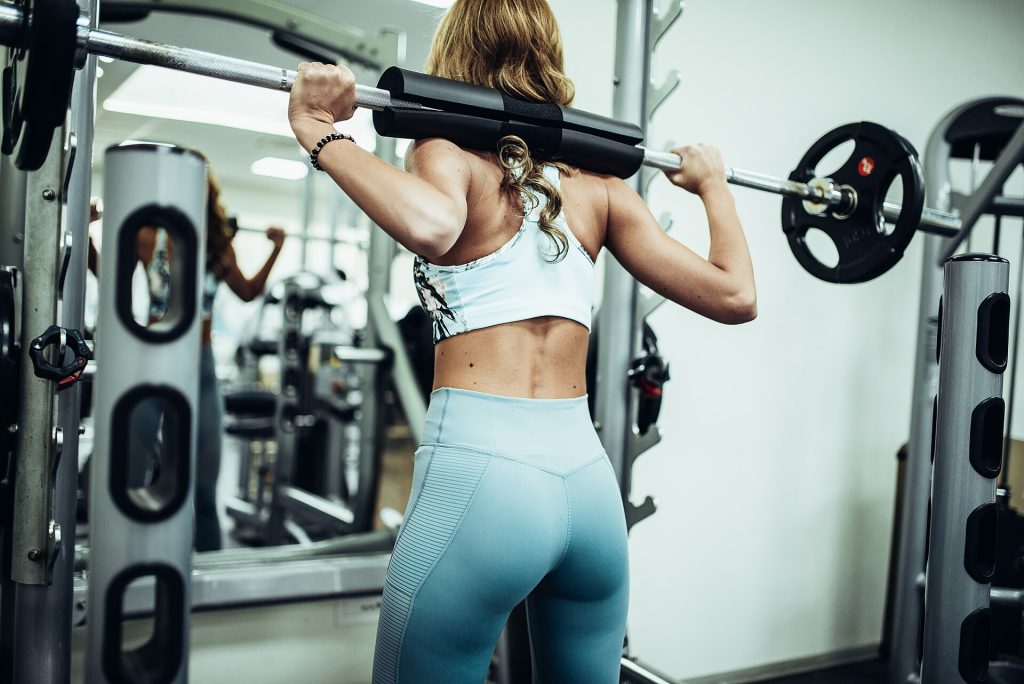
A barbell is not a barbell, however interchangeable the rack of them looks from across the room. Shaft diameter, tensile rating, sleeve fit, and knurl pattern change how a bar behaves under load, and the differences are felt long before the weight gets heavy. Buying on price alone usually means buying twice.
Three specs cause most of the confusion: the 20 kg competition-style bar, the 15 kg technique bar, and the thin 28 mm shaft sold for general strength work. Each exists to solve a different problem, and mixing them up produces a purchase that fights the training instead of supporting it.
Why the 20 kg Bar Became the Default
The 20 kg bar is the reference point for plates, records, and most written programs. Its 28 mm shaft, 2.2 m length, and 50 mm sleeves are standardized enough that a number written in a logbook means the same thing in most rooms. That consistency is worth more than any single physical property.
A lifter who trains on one and then visits another gym will find the same leverage, the same collar spacing, and the same loading math. Nothing has to be recalculated, which removes a variable at no cost. The price is that 20 kg is a heavy starting point for a beginner learning the fast lifts.
Weight tolerance is the other reason the 20 kg bar holds its place. Plates and records are calibrated against it, so a room that mixes bar weights forces every lifter to recalculate each number. Most stop bothering after the first month and quietly accept the drift.
The 15 kg Technique Bar and Who It Serves
A 15 kg bar with a 25 mm shaft exists so a beginner can learn a snatch or a clean without the empty bar being the hardest part of the session. It also suits lifters with smaller hands or a history of thumb and wrist irritation. The lighter bar lets positions be learned before load becomes the limiter.
The trade is that its sleeve assembly is lighter and its whip is different, so numbers lifted on it do not transfer at face value to a 20 kg bar. It is a teaching tool rather than a lighter version of the same instrument. Expect to leave roughly a tenth of the load behind on the transition.
Where the technique bar pays off is the first 8 weeks, when the empty bar really is the limiting factor. After that it becomes a warm-up tool rather than the main instrument. Buying one later rarely makes sense unless hand size demands it.
28 mm Shafts and the Grip Trade
Shaft diameter sets how much of the hand wraps around the bar. A 28 mm shaft is the common compromise: enough circumference for a secure hook grip, thin enough that most hands can close around it without the fingers splaying. It also flexes less than a thinner bar at the same load.
Going thinner, to 27 mm, helps small hands hold a hook grip but bends more under load. Going thicker, to 29 mm or 30 mm, adds stiffness and punishes grip endurance, which is why thick shafts appear in specialty training bars rather than general ones. Diameter is a fit question before it is a strength question.
Hand size decides more than any chart. Measure from the base of the palm to the tip of the middle finger and treat anything under about 18 cm as a reason to prefer the thinner shaft. Comfort compounds across hundreds of sets.
Tensile Strength and What It Limits
Tensile rating describes the steel, not the welds or the sleeves, and it is often quoted as though it were a safety guarantee. A 190,000 psi bar will not permanently bend under loads most home lifters will ever reach. The number is a ceiling, not a target.
What it does not tell you is how the bar feels on the back. A stiffer bar whips less, which helps a squat and hinders a clean, where some flex is part of how the bar is received. Two bars with the same rating can feel entirely different because of geometry.
Ask what the bar weighs before asking what it holds. A bar that is 1 kg heavy throws off every percentage-based program, and that error repeats on every set you ever do with it. Weigh it once on a bathroom scale.
Sleeve Rotation and Spin Under Load
Sleeves either spin on bearings or ride on bushings. Bearings turn more freely and matter for the fast lifts, where the bar must rotate while the hands stay fixed. Bushings are slower, cheaper, and entirely adequate for pressing and pulling.
Spin quality also degrades. Grit enters the sleeve gap, grease thins, and a bar that turned freely when new starts to drag. That is a maintenance issue rather than a design flaw, and it makes servicing part of the cost of bearings, since a dry sleeve can feel worse than a bushing.
Knurl, Whip, and Bar Feel
Knurl depth is a preference dressed up as a specification. A light pattern is comfortable for high-rep work and useless once the hands get wet. A deep pattern holds chalk well and tears calluses during long sets, which changes how often you can train.
Whip is the other half of feel. A thinner shaft flexes and returns energy, which helps a clean and unsettles a heavy squat. Neither property is better in isolation, so a general-purpose bar should sit in the middle of both scales.
Center knurl is a separate decision from the rest of the pattern. A strip in the middle helps a squat stay on the back and abrades the neck during front squats, so it suits some lifters and irritates others. There is no universal answer here.
Length, Collar Width, and Rack Fit
A 2.2 m bar needs a rack with j-cups spaced to its collar marks and a room with clearance on both sides for loading. A shorter 1.8 m bar fits a corner but limits how much plate the sleeves will take before they run out. Storage is a separate problem that shows up later.
Measure the rack before the bar arrives. Collar spacing varies by a few centimeters between designs, and a bar that sits too far forward in the cups changes where the load hangs over your feet. That shift is small and quietly changes the mechanics of a squat.
Matching the Bar to the Lifts You Train
If you squat, bench, and deadlift, one 20 kg bar with a moderate knurl covers everything without a compromise worth noticing. If you also train the fast lifts, the technique bar earns its space as a second purchase rather than a replacement. Most home gyms eventually hold both.
A 28 mm general-purpose bar is the right first bar for most people, and a thinner or shorter bar is a correction for a specific problem rather than an upgrade. Buying the specialty bar first usually means buying the general one later anyway, so the order matters more than the total spend.
Bar choice connects directly to how you load it, which is why plate tolerance and increment size deserve the same scrutiny as the shaft. A bar that hides a 1 kg error in the plates undermines any honest progression scheme.
The next question is usually how many plates to buy and in what steps, and that decision shapes long-term progress more than the bar does.